Cold weather rarely calls for one thick coat. The approach that works best outdoors is layering: several thinner pieces that can be added or removed as the temperature shifts and as your body heats up during activity. A three-layer system is simple to remember and easy to adjust, whether you are walking the dog, shoveling the drive or waiting for a school bus.
This guide explains what each layer does, how to choose fabrics, how to adjust during activity and how to avoid the most common mistakes, such as sweating and then cooling down. It describes general principles of clothing, not medical guidance. If you have a condition that affects how you handle cold, speak to a physician before spending long periods outdoors.
Short answer: three layers work well for most cold days: a close base to move sweat away, a mid layer to hold warmth and a shell to block wind and wet. Start a little cool and adjust as you move.
Base layer
What it does
The base layer sits against the skin and moves moisture away from it. Its job is less about warmth and more about keeping the skin dry, because damp fabric draws heat away from the body quickly. Merino wool and synthetic fabrics are common choices, since they hold less water and can feel warmer when damp than cotton does.
Avoid cotton for base layers in cold weather. A cotton shirt soaks up sweat and stays wet, which makes you feel colder once you stop moving. A snug fit suits a base layer best, because it wicks sweat more effectively than a loose garment.
Mid layer
What it does
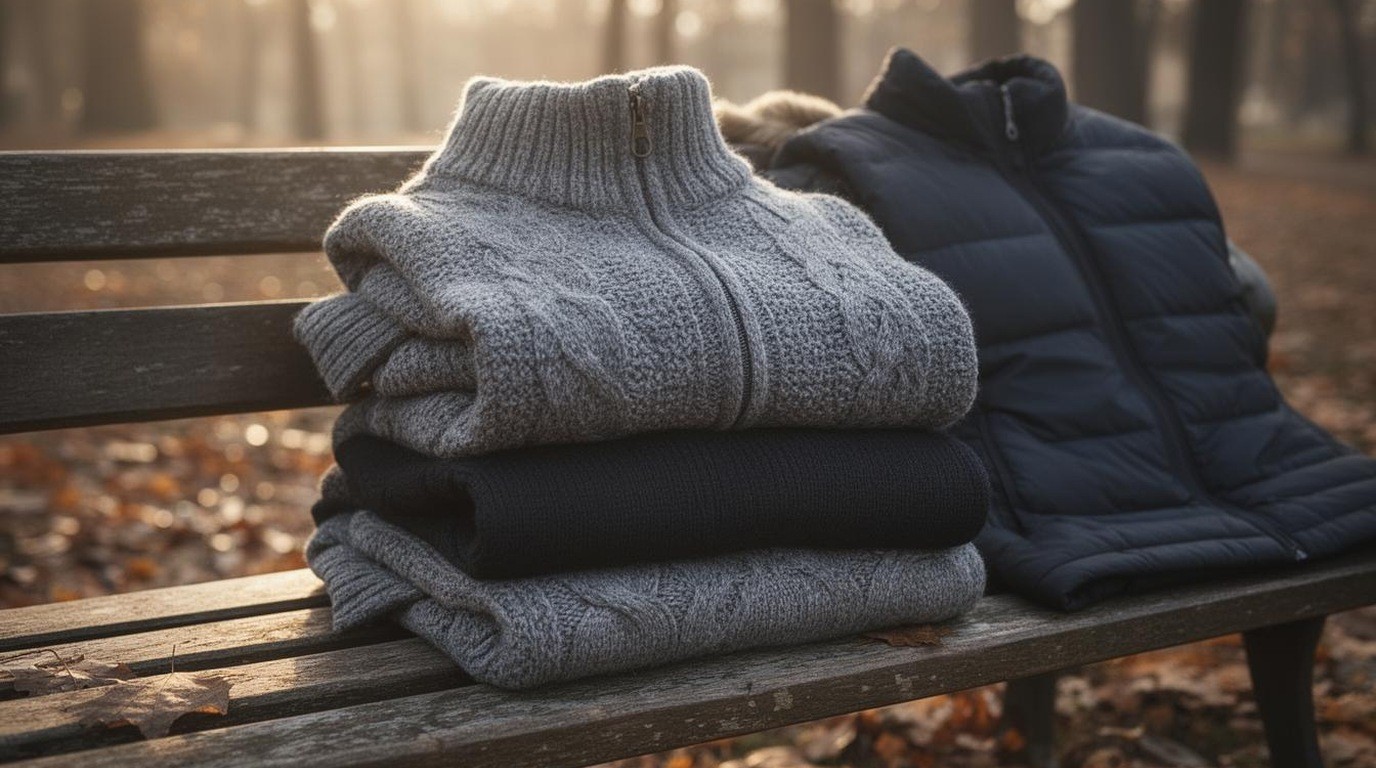
The mid layer traps warm air close to the body. A fleece jacket, a light down vest or a synthetic insulated top can all work well. Choose a mid layer that you can move in and that compresses easily, so it fits under a shell without restricting your arms.
Adjust the mid layer to the weather and to your activity. On a cold, still day when you are standing, a warm mid layer helps. When you are working hard, a lighter mid layer or a zip-front top lets heat escape before you overheat. For insulation choices, see our guide to down and synthetic insulation.
Outer layer
What it does
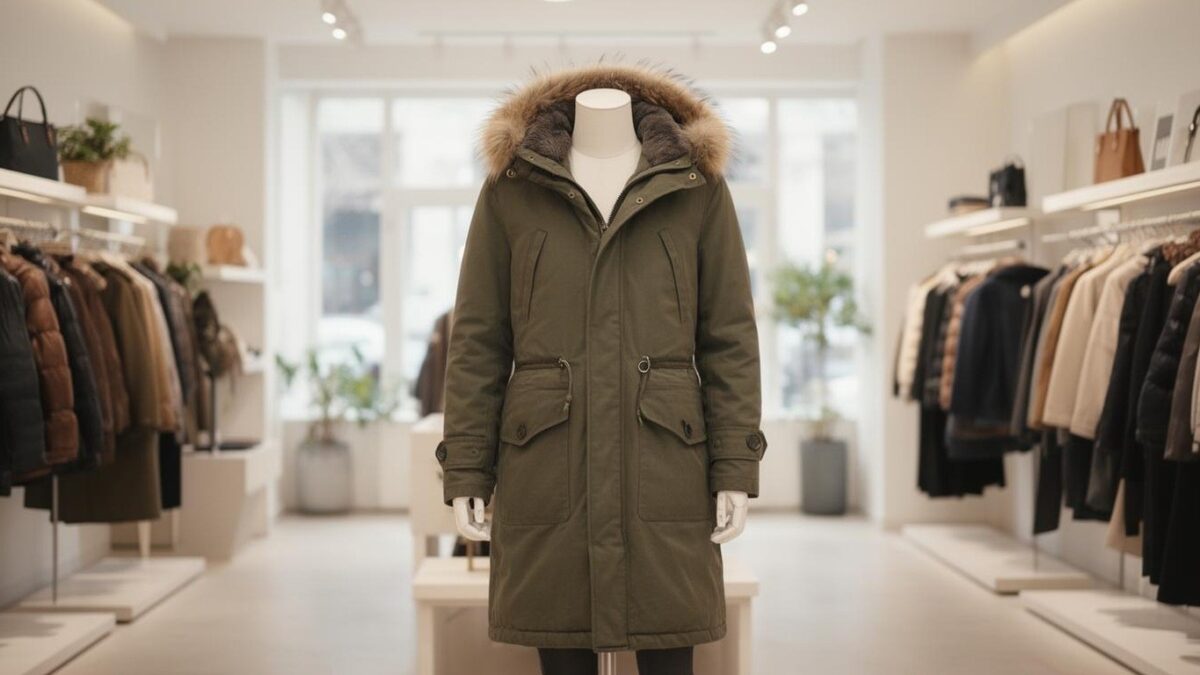
The outer layer protects against wind, rain and snow. A shell that is windproof and water resistant keeps the warm air from the lower layers from escaping. Look for taped seams, a hood that fits over a hat and enough length to cover the hips.
Ventilation matters too. Zippers under the arms and at the front let you release heat quickly when you start to sweat. A shell that is too airtight can trap moisture from the inside and reduce the performance of the layers below.

Adjusting during activity
Start a little cool. If you feel comfortable when you first step outside, you will probably overheat within ten minutes of brisk walking or shoveling. These habits help you stay comfortable:
- Open a zip or remove a layer as soon as you feel warm, before you start to sweat.
- Close up and add a layer when you stop, since sweat cools quickly once activity ends.
- Keep a dry spare base layer in your bag for long days outdoors.
- Carry gloves and a hat so you can take them off quickly without undressing.
A good test is simple: if you are sweating when you stop, you have dressed too warmly for the activity.
Common mistakes
The most common mistake is wearing a heavy coat over thin layers, which traps sweat and leaves little room for adjustment. Another is covering the head poorly. Much heat is lost through the head and neck, so a warm hat and a scarf or neck gaiter help. Keep hands and feet covered with gloves or mittens and boots that are dry and well fitted. Wet gloves and socks chill you faster than almost anything else.
Our guide to winter boots covers the footwear that completes the system, and the parka guide explains how the outer layer should fit over everything beneath it.
Fabrics for each layer
Fiber choice changes how a layer performs. Merino wool is soft, resists odor and stays warm when damp, which makes it popular for base layers. Synthetic knits dry quickly and are durable, though some can hold odor after sweaty use. Fleece is light, warm and breathable, and it suits a mid layer on a cold day. Wool sweaters are cozy, but they absorb more moisture than fleece. For the outer shell, nylon and polyester are common, and a durable water-repellent finish helps water bead on the surface. Check whether the shell is windproof, since wind can strip warmth quickly even when the air is not very cold.
Children and older adults
Children and older adults need particular care with layering. Avoid bulky coats under a child’s car seat harness, because padding can leave the straps too loose to protect in a crash. Instead, dress the child in thin, warm layers and place a blanket over the harness after they are buckled in. For older adults, focus on keeping the core and the head warm, and check that clothing does not restrict movement or make it harder to stand up from a seat. Reduced circulation or certain conditions can affect how a person handles cold, so speak to a physician if you have concerns.
Putting it together
Three layers work well for most cold days: a close-fitting base to move sweat away, a mid layer to hold warmth and a shell to block wind and wet. Start a little cool, adjust as you move, keep a dry spare on long outings and avoid cotton against the skin. The system is simple, and its real value is that you can change it the moment the conditions do.
Building the system
- Choose a base layer that is snug and avoid cotton against the skin.
- Pick a mid layer you can move in and that packs small.
- Add a shell with a hood that fits over a hat and vents under the arms.